Ward wifi is patchy and rounds interrupt everything. Puzzles can be picked up and put down instantly, fill ten quiet minutes without much commitment, and work when concentrating on a full book feels impossible.
Why we chose it
The most addictive puzzle book we’ve found — we all love Murdoku.
Ward floors are cold, hard and busier than you expect. Slippers with a proper sole and a back stay put when you shuffle to the loo at 3am, and may save you from being issued the dreaded hospital grip socks because you have nothing safer to wear.
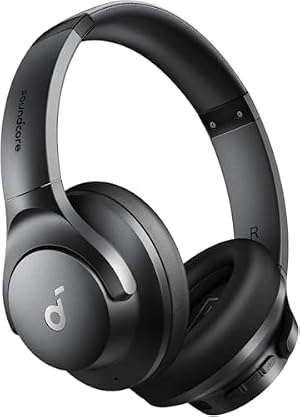
A four-hour infusion next to a beeping pump is exhausting. Noise cancelling turns a shared bay into something bearable, and doubles as a signal that someone needs a rest from conversation.
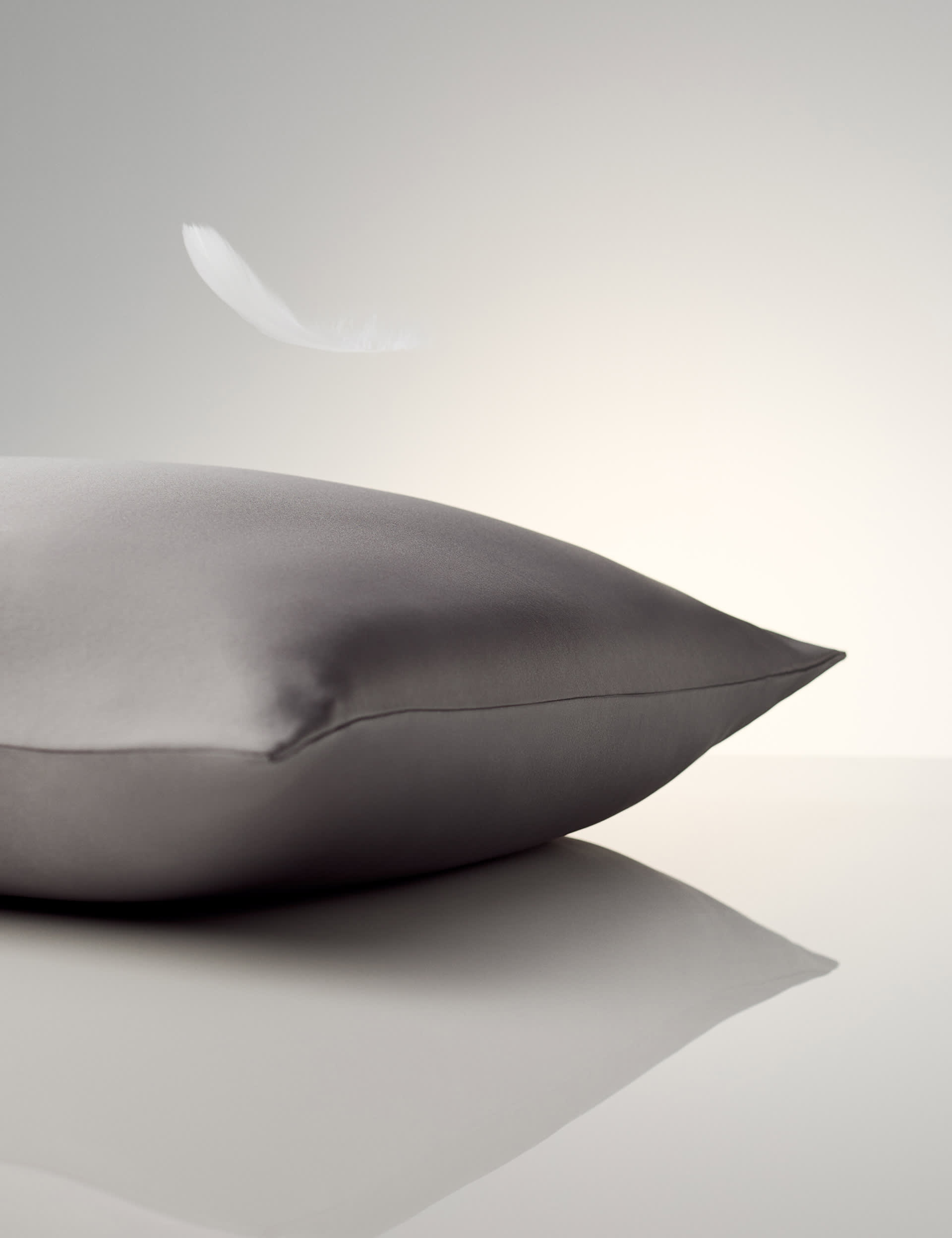
Hospital pillows are covered in wipe-clean waterproof plastic that makes you sweaty, clammy and miserable. A pillowcase from home makes the bed feel less clinical, and darker colours are the most practical choice for hospital life — they hide the inevitable marks and cope well with repeated washing.
Visits get awkward when nobody knows what to say. A short game fills twenty minutes comfortably, and works on a bed table with limited space.
Why we chose it
We chose the Mini Pouch version because it gives visitors a proper game without taking over the bedside table, and packs away neatly into a hospital bag.
Pull-over tops are impossible with a drip line, a shoulder injury or an abdominal wound. Buttons let a patient dress themselves, which is often the first bit of independence they get back.
Hospital sockets sit behind the bed, above head height, or on the far wall. A standard 1m cable means choosing between charging your phone and being able to reach it. Three metres reaches the bed every time.
Far superior to foam earplugs, which fall out or ache after an hour. Moldable silicone sits flat over the ear canal, blocks out drip alarms and snoring, and stays comfortable when you're lying on your side against the pillow.
Why we chose it
They mould comfortably to your ears and come in a little case that keeps them clean and easy to find in the hospital bag.
Essential not just for sleeping, but for sensory dampening — a way to zone out when daytime ward lighting and activity become overwhelming. The contoured cups keep all pressure off the eyes, which matters when someone is lying flat for long stretches.
Why we chose it
Trust us — we’ve tried them all, and this is the clear winner for hospital life.
Ultra-thin flat speakers mean patients can listen to podcasts, music and audiobooks comfortably while resting sideways against the pillow, without hard earbuds digging into the ear. It doubles as a light-blocking band for daytime rest.
Why we chose it
We categorically agree: we wouldn’t be without this in our hospital bags.
Jug water goes warm in an hour and needs both hands and a sitting position. A straw lid makes drinking possible with one arm cannulated and the bed barely tilted, which is the difference between sipping all afternoon and giving up.
Nil-by-mouth waits, dehydration and the bone-dry air on wards can leave lips cracked within a day. An unscented balm is easy to keep by the bed and use without adding another strong smell when you already feel queasy.
Ward rounds happen fast and often when someone is half asleep. Writing questions down beforehand, and answers afterwards, is the single most useful thing a patient can do for themselves.
Ward floors are hard and cold, and feet get colder as circulation drops. Grip socks let someone stand for obs and toilet trips without hunting for slippers under the bed.
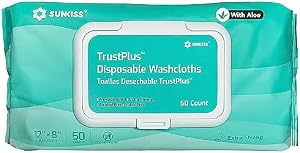
Bed baths depend on staff time. Large fragrance-free wipes let someone freshen up on their own schedule, which for a lot of patients matters more than any bunch of flowers.
Colouring asks nothing of a foggy head and gives the hands something to do during a long afternoon. Tear-out pages mean a finished one can go up on the locker, which does more for a bed space than any card.
Most hospital hours are spent alone with a head that won't settle. Something to fiddle with or play single-handed fills the gap between obs without needing wifi, a partner or much concentration.
Air conditioning, repeated hand washing and many drugs leave skin cracked. Scented lotions can trigger nausea during treatment and irritate skin around dressings, so fragrance-free is usually the best bet.
A hanging wash bag keeps everything off shared surfaces and within reach. It is particularly useful when the trip to the bathroom also involves manoeuvring a drip stand, because the whole kit travels and hangs up in one go.
Why we chose it
Affordable, roomy and hangable — what more do you need?
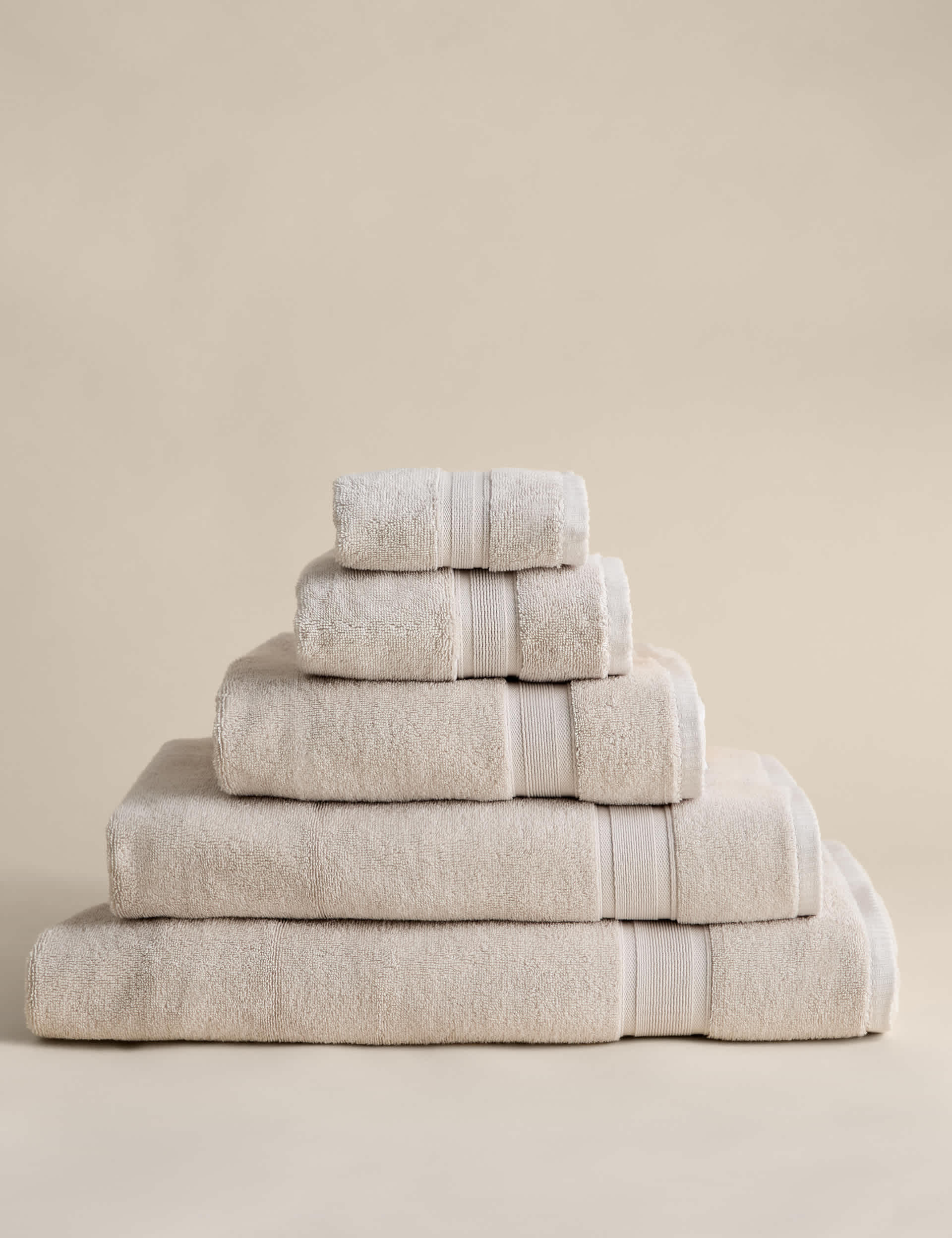
Standing wet in a shared bathroom trying to make a small stiff towel go round is nobody's finest hour. A big soft bath sheet from home covers you properly, dries you quickly and is the least glamorous, most appreciated thing in the bag.
The standard NHS blankets can look as though they have been on ward beds since Queen Victoria was on the throne. Having your own clean, soft blanket is a game changer: something familiar to pull over your legs in a chair, fold onto the bed or reach for when the bay goes cold at 4am.
Everything lives in this bag for the duration and gets moved every time a bed does. Soft sides squash into a locker, a shoulder strap frees a hand for a drip stand, and something you actually like the look of makes the whole business feel less like an emergency.
Staying in nightwear around the clock blurs the days together. Something soft with a forgiving waistband counts as getting dressed, survives a walk to the day room, and doesn't press where a wound or a fresh scar is.
Headphones for lying down
For listening with your head on a pillow, when ordinary earbuds become a pain.
Side sleeping with earbuds in is a special kind of ache, and over-ears slide off when you're flat. Open-ear or sleep-specific designs let someone listen through the small hours without a lump pressed into their ear.
Full-body support pillow
A supportive nest for sleeping and resting when several parts of you hurt at once.
After surgery, getting comfortable can mean supporting several sore areas at once. A U-shaped pillow can prop the back, hips, knees and legs without building a precarious nest of separate pillows, and the removable washable cover is useful during recovery.
Day units run cold, fluids going in are colder still, and a book or a phone is no fun with numb fingers. A rechargeable warmer sits in one hand or a pocket for the length of a chair session, with no faff and nothing to plug in at the bedside.
Chemo chairs and day units run cold, and drips make you colder still. A zip or button front can be draped over a cannulated arm rather than threaded onto it — a pullover simply can't be worn.
A ward pillow is thin, sweaty and shared. Bringing one from home — or a new one that lives in the hospital bag — is the cheapest way to make a strange bed feel survivable, and it comes back out again for the sofa afterwards.
Concentration after surgery or during treatment is genuinely poor. Listening works when reading doesn't, and it works in the dark without disturbing anyone else in the bay.
Meals are served early, missed for scans, and occasionally impossible to face. Credit on a delivery app hands the choice back. Worth knowing first: orders generally have to be collected from the hospital entrance, so the person needs to be well enough to walk down — or a visitor or friend can meet the driver. Delivery to the bed space is never guaranteed.
Getting out of the bay for twenty minutes is worth more than it sounds, and it gives visitors somewhere to sit that isn't a plastic chair. Many NHS hospitals have a familiar branded coffee shop on site — often Costa — but it is worth checking which one is at the recipient's hospital before you buy.
Ward televisions are expensive and awful, and a phone screen gets tiring. A light tablet holds downloaded films, books and puzzles for the flat afternoons, and makes a video call feel like a proper visit rather than a shouted phone conversation.
Why we chose it
It is definitely a push-the-boat-out choice, but it is lightweight, has a long battery life and is slim enough to fit into almost any hospital bag.
Tired hands drop things, and a bare tablet slides off a bed table at the worst possible moment. A rugged case with a built-in stand means it survives the fall and props itself up on the tray table without anyone holding it.
Flexible bedside phone holder
Keeps your phone in view for films and calls, without having to hold it up.
Holding a phone up while lying flat is tiring and drops it on your face eventually. A clamp arm makes films and video calls possible for someone who can't sit up.
Multi-device charging station
One socket for your phone, tablet and headphones, with fewer trailing leads.
A bed space usually has one free socket and by day three there is a phone, a tablet, headphones and a shaver all wanting it. One tidy station keeps the leads together on the locker rather than looped across the floor.
Portable power bank
For long treatment days when the nearest free socket is nowhere near your chair.
Researched example
Anker Power Bank, 25,000mAh, 165W Total Output, Built-In Retractable USB-C Cables
Hospital sockets are often occupied, awkwardly placed or simply nowhere near where you’re sitting. A decent power bank keeps a phone, tablet or headphones alive without having to rearrange half the treatment bay. This one has a large 25,000mAh capacity and built-in USB-C cables, so there are fewer extra leads to remember.
Why we chose it
High capacity, fast charging and two built-in USB-C cables make it particularly useful for long hospital or treatment days. It is fairly chunky, so this is the “lots of power” option rather than the smallest thing you can throw in a handbag.
Adjustable lap desk
For sofa and bed days when holding a tablet, book or plate feels like unnecessary effort.
Recovery involves a surprising amount of lying around with nowhere sensible to put anything. A stable lap desk gives you a proper surface for a tablet, puzzle book, drink or light meal without balancing everything on the duvet.
Why we chose it
The cushioned base, adjustable top and built-in phone/tablet slot make it much more useful than a basic flat tray. It is quite substantial rather than ultra-light, so it suits someone who wants a sturdy setup more than something featherweight.
Sofa arm caddy
Keeps your drink, phone, glasses and remote within reach when getting up is a whole event.
The first few days at home can involve a lot of arranging everything you might need within arm’s reach, then discovering the phone has slipped down the side of the sofa anyway. An arm caddy gives the everyday stuff somewhere to live without needing a separate table.
Why we chose it
It has space for a drink, phone and small essentials, folds around the sofa arm and can also be used as a small tray. It’s bamboo rather than fabric, so it gives you a proper flat surface too. Check the shape and width of the sofa arm first. The manufacturer says it fits armrests roughly 4.5–14 inches wide, and grip may vary depending on the upholstery.
Reacher / grabber stick
For the weeks when dropping something on the floor feels like a personal attack.
Researched example
rewkcy 91 cm / 36-inch Foldable Reacher / Grabber Stick
After some operations, bending, stretching or repeatedly getting up can be uncomfortable or simply not practical for a while. A grabber lets you retrieve the phone charger, sock or whatever else has immediately thrown itself onto the floor without turning it into an expedition. Follow any movement restrictions or recovery advice your clinical team has given you.
Why we chose it
It has a long 91 cm reach, folds down for storage, weighs about 290 g and has a rotating gripper head. The jaws are designed to grip both larger objects and small things such as keys or coins.
Building a hospital care package?
The best hospital care packages are small, practical and easy to store. Start with one comfort item, one useful everyday thing and one bit of distraction: perhaps an eye mask, a long charging cable and a puzzle book. Check the ward rules before sending food, flowers or anything strongly scented.
If budget genuinely isn't the issue, this is the one we'd choose.
A long stay is hours and hours of nothing much, punctuated by things you'd rather not think about. A lightweight tablet quietly covers almost all of it: films when concentration is gone, books and audiobooks when reading is too much, daft games at 3am, video calls with people who can't visit, and the dull practical admin nobody warns you about — appointment emails, banking, the online shop for when they get home.
It earns its place because it replaces about six other things in a locker with one thing that charges from a single cable. Nothing below is compulsory; it's simply the setup we'd put together if someone asked.
Ward televisions are expensive and awful, and a phone screen gets tiring. A light tablet holds downloaded films, books and puzzles for the flat afternoons, and makes a video call feel like a proper visit rather than a shouted phone conversation.
Why we chose it
It is definitely a push-the-boat-out choice, but it is lightweight, has a long battery life and is slim enough to fit into almost any hospital bag.
The bits that go with it
None of this is compulsory. It's simply the setup we'd put together if someone asked — add whatever suits the person and skip the rest.
Tired hands drop things, and a bare tablet slides off a bed table at the worst possible moment. A rugged case with a built-in stand means it survives the fall and props itself up on the tray table without anyone holding it.
Flexible bedside phone holder
Keeps your phone in view for films and calls, without having to hold it up.
Holding a phone up while lying flat is tiring and drops it on your face eventually. A clamp arm makes films and video calls possible for someone who can't sit up.
A four-hour infusion next to a beeping pump is exhausting. Noise cancelling turns a shared bay into something bearable, and doubles as a signal that someone needs a rest from conversation.
Multi-device charging station
One socket for your phone, tablet and headphones, with fewer trailing leads.
A bed space usually has one free socket and by day three there is a phone, a tablet, headphones and a shaver all wanting it. One tidy station keeps the leads together on the locker rather than looped across the floor.