Useful gifts for someone with cancer — and what not to give
Cancer treatment changes from person to person and sometimes from week to week. The safest gifts are flexible, low-pressure and easy to use: something for comfort, something for a long treatment day, or practical help that does not create another job.
Choose a few small things rather than filling a giant hamper. Warmth, hydration, gentle lip care and easy distraction are useful starting points; the person’s treatment team should always win if they have given specific advice.
Day units run cold, fluids going in are colder still, and a book or a phone is no fun with numb fingers. A rechargeable warmer sits in one hand or a pocket for the length of a chair session, with no faff and nothing to plug in at the bedside.
Jug water goes warm in an hour and needs both hands and a sitting position. A straw lid makes drinking possible with one arm cannulated and the bed barely tilted, which is the difference between sipping all afternoon and giving up.
Nil-by-mouth waits, dehydration and the bone-dry air on wards can leave lips cracked within a day. An unscented balm is easy to keep by the bed and use without adding another strong smell when you already feel queasy.
Ward wifi is patchy and rounds interrupt everything. Puzzles can be picked up and put down instantly, fill ten quiet minutes without much commitment, and work when concentrating on a full book feels impossible.
Why we chose it
The most addictive puzzle book we’ve found — we all love Murdoku.
For treatment days and tired afternoons
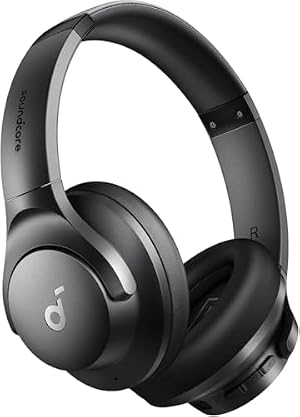
Concentration can be patchy and shared spaces can be noisy. Comfortable headphones, a simple eye mask and audiobooks give the person options without asking them to feel cheerful or productive.
A four-hour infusion next to a beeping pump is exhausting. Noise cancelling turns a shared bay into something bearable, and doubles as a signal that someone needs a rest from conversation.
Essential not just for sleeping, but for sensory dampening — a way to zone out when daytime ward lighting and activity become overwhelming. The contoured cups keep all pressure off the eyes, which matters when someone is lying flat for long stretches.
Why we chose it
Trust us — we’ve tried them all, and this is the clear winner for hospital life.
Concentration after surgery or during treatment is genuinely poor. Listening works when reading doesn't, and it works in the dark without disturbing anyone else in the bay.
Practical help counts as a gift
Food delivery credit or another flexible digital gift can be more useful than an object, especially when energy and appetite are unpredictable. It also works when you cannot visit in person.
Meals are served early, missed for scans, and occasionally impossible to face. Credit on a delivery app hands the choice back. Worth knowing first: orders generally have to be collected from the hospital entrance, so the person needs to be well enough to walk down — or a visitor or friend can meet the driver. Delivery to the bed space is never guaranteed.
Getting out of the bay for twenty minutes is worth more than it sounds, and it gives visitors somewhere to sit that isn't a plastic chair. Many NHS hospitals have a familiar branded coffee shop on site — often Costa — but it is worth checking which one is at the recipient's hospital before you buy.