

Hospitals can be unfamiliar, busy and unpredictable.
This visual story shows some of the things you might see, hear, feel and be asked when you go into hospital.
Every hospital is different. Your visit might not happen in exactly this order, and some of the things in this story might not happen to you.
That is okay.
These photographs are examples. Your hospital, its rooms, equipment and staff uniforms may look different. You might experience some of these things, but not all of them, and they may happen in a different order.
Hospital sounds on this page
There are some examples of hospital sounds in this story.
Nothing will play unless you press Play.
You do not need to listen to any of the sounds to use this story.
1. Before you go
If you know you are going into hospital, you can take things that make the environment easier for you.
These might include:
- headphones or ear defenders
- something familiar that helps you feel calmer
- your phone or tablet
- a charger
- any communication aid you use
- a health or hospital passport
- your Things that might help me in hospital sheet
You do not need all of these things. Take what helps you.
If somebody is coming with you, they can help you communicate if you want them to.
2. Arriving at the hospital
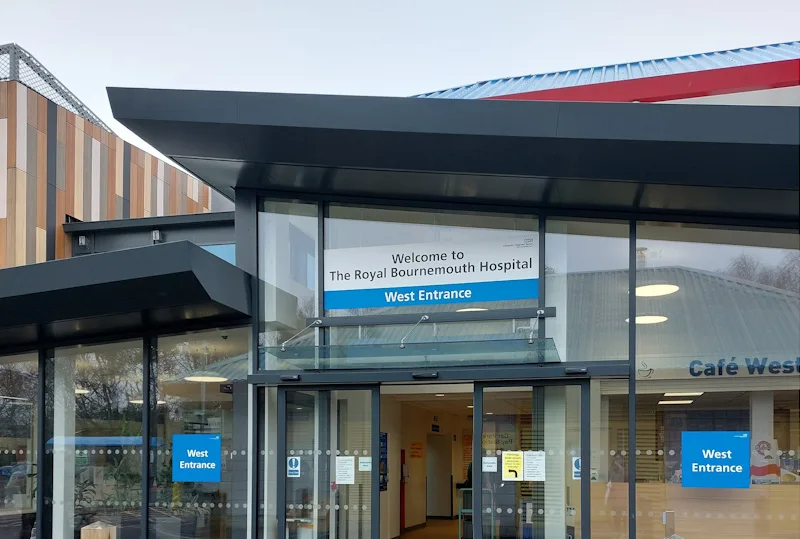
A hospital entrance may be large and busy.
There may be:
- automatic doors
- bright lights
- signs
- wheelchairs
- hospital trolleys
- ambulances
- patients, visitors and staff
The doors may move or make a noise when you approach them.
Your hospital may look different from this photograph.
3. Reception or check-in
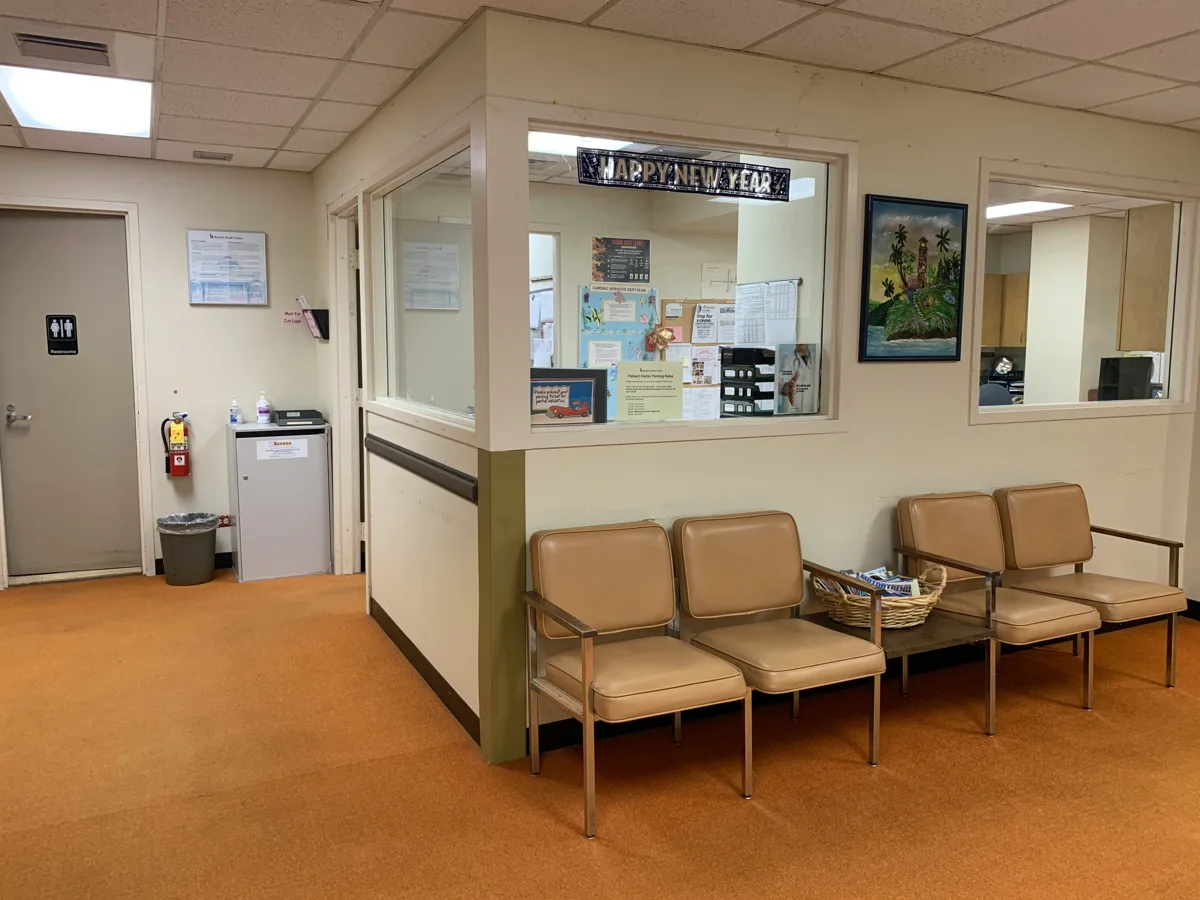
You may need to speak to somebody at a reception desk.
They may ask you:
- your name
- your date of birth
- your address
- why you have come to hospital
Different members of staff may ask you the same questions again later.
This does not mean that you answered incorrectly.
They are checking that they have the correct information about you.
If speaking is difficult, you can show staff written information instead.
4. Waiting
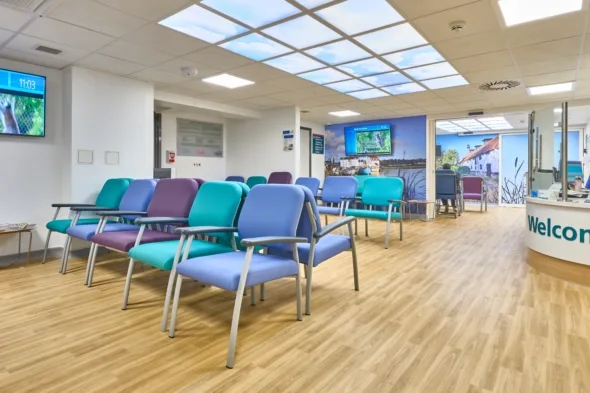
You may have to wait.
The waiting area may have other people in it.
People may be talking, moving around, using phones or watching a television.
There may be bright lights and hospital smells.
You might not be told exactly how long you will have to wait.
People may also be called before you even if they arrived after you. This can happen because different patients need different kinds of care.
If the waiting area is difficult for you, you can ask whether there is somewhere quieter you can wait.
5. Sounds you might hear
Hospital sounds can be sudden or difficult to predict.
Here are some examples.
Different hospitals and different machines can sound different.
Nothing will play unless you choose it.
A hospital monitor
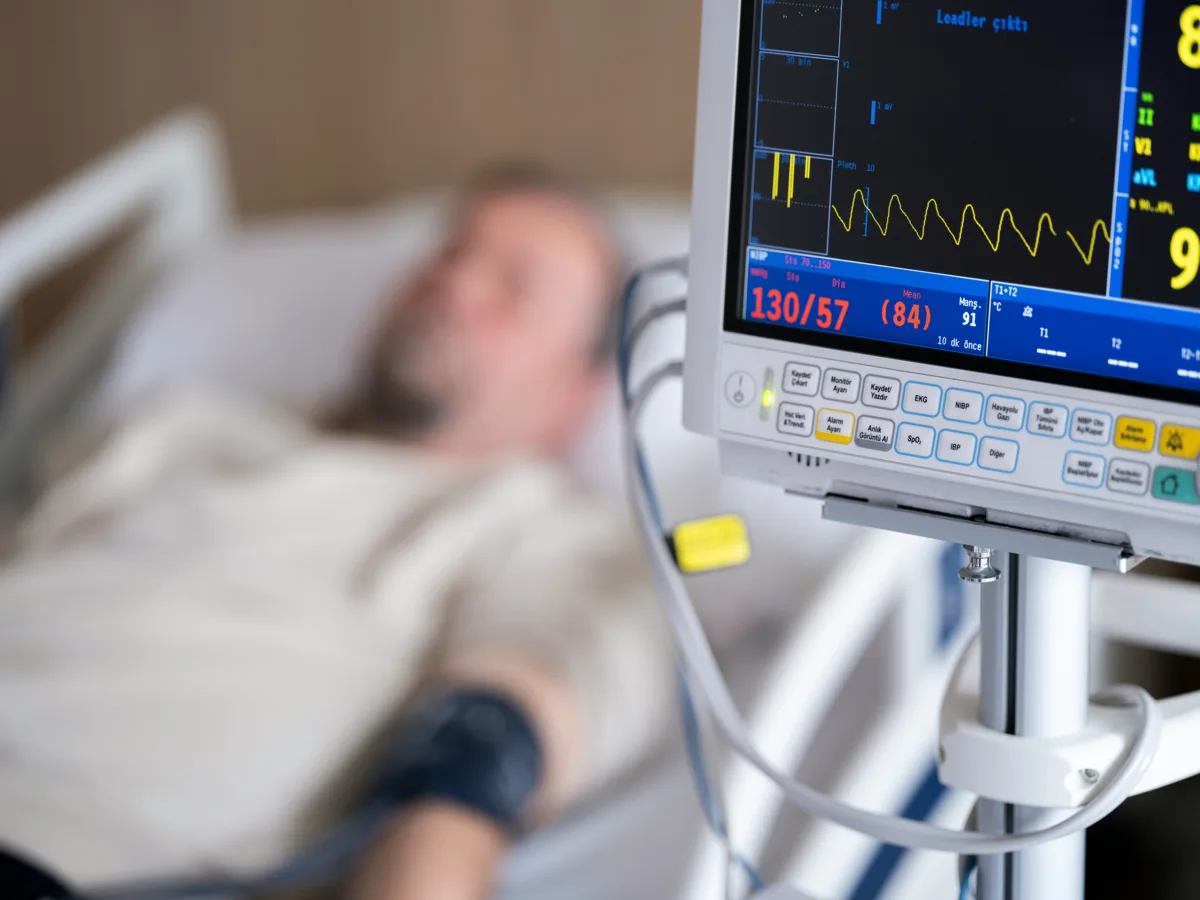
Monitors sometimes make repeated beeping noises.
A call bell
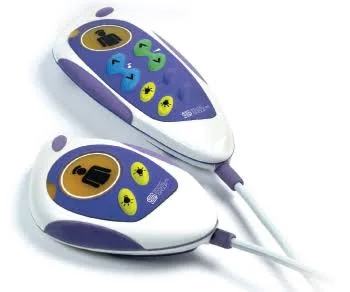
Patients may press a call bell when they need help.
A hospital trolley
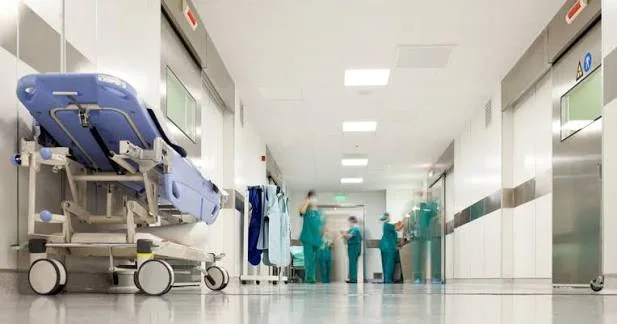
Trolleys and beds can make rattling or rolling sounds when staff move them.
An announcement
You may hear announcements over speakers. They can sometimes start suddenly.
Alarms
Machines may make alarms or loud beeps.
An alarm does not necessarily mean that something is wrong with you.
It may belong to another patient or a machine nearby.
6. People you might meet
Lots of different people work in hospitals.
You might meet:
A receptionist

They may check your details and tell you where to wait.
A nurse or healthcare assistant
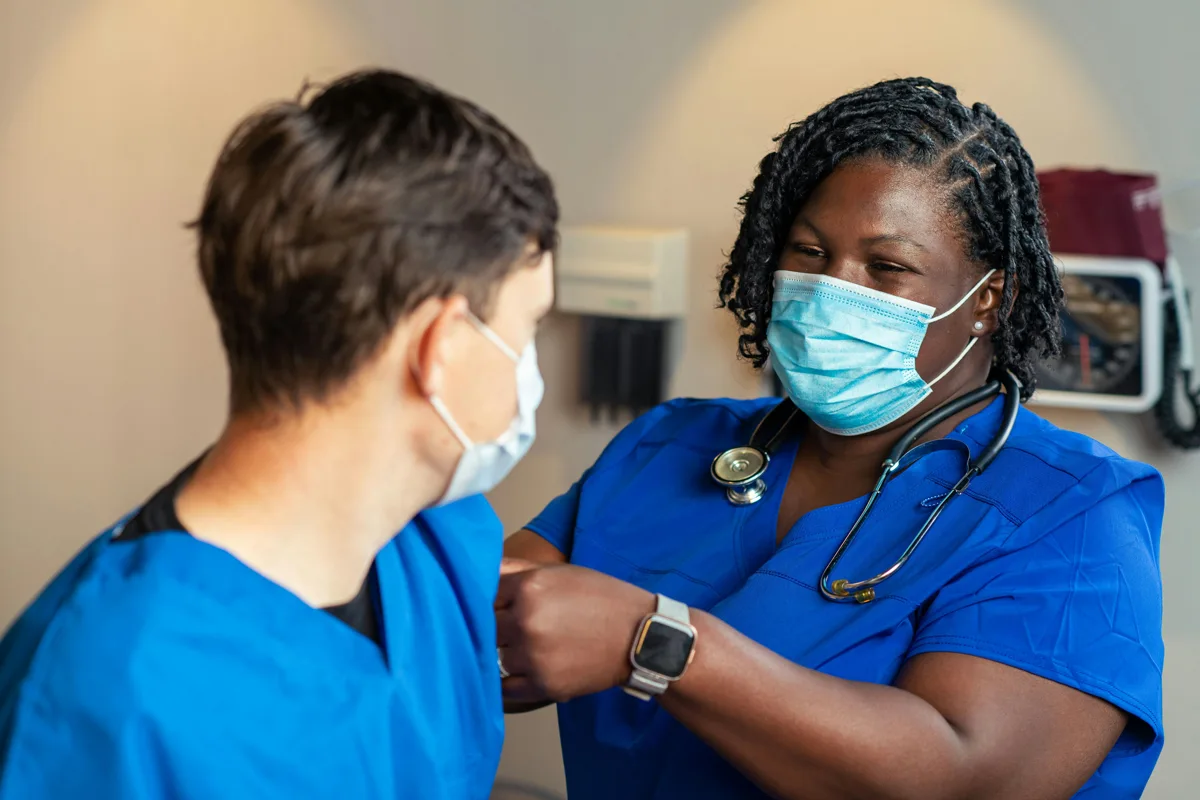
They may ask you questions, check things such as your temperature or blood pressure, give medicines or help care for you.
A doctor

They may ask about what has happened, examine you and talk to you about tests or treatment.
A porter
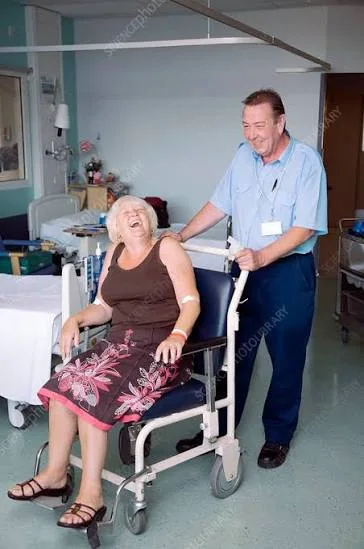
A porter may take you to another part of the hospital. Sometimes they may move you while you are in a wheelchair or hospital bed.
Hospital uniforms are not the same everywhere.
If you do not know who somebody is, you can ask: “Who are you?”
and
“What are you going to do?”
7. You may get a hospital wristband
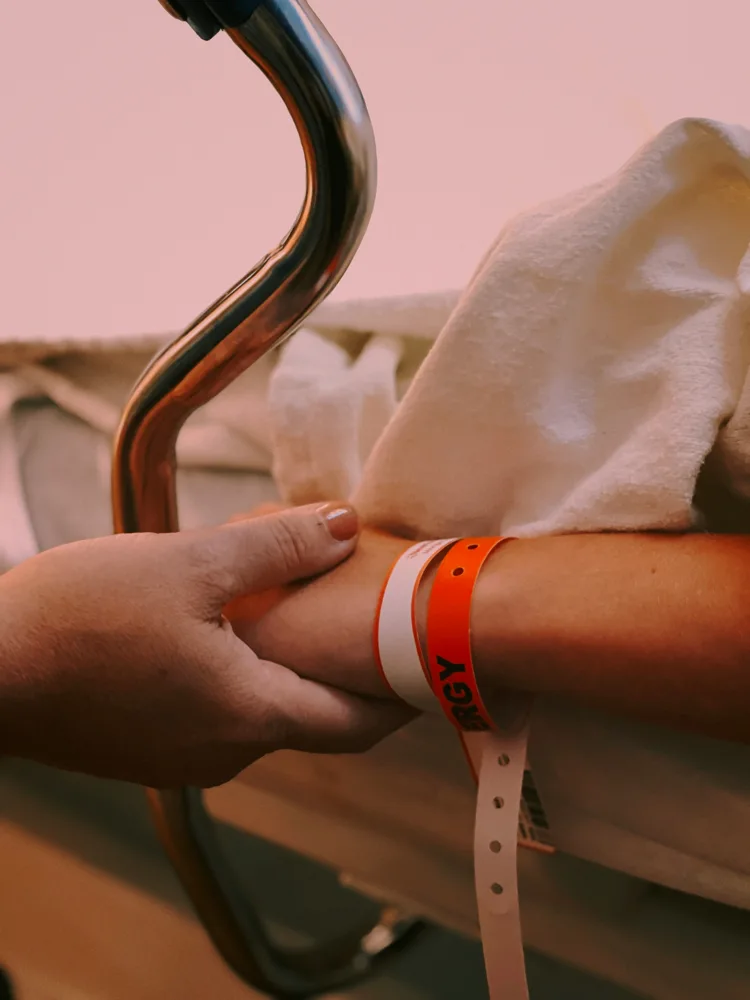
A member of staff may put a hospital wristband around your wrist.
It usually has information on it that helps staff check that they have the right patient.
Staff may still ask your name and date of birth before tests, medicines or treatment.
If having something tight around your wrist is difficult for you, tell the member of staff before they fasten it.
You can ask them to leave it as loose as they safely can while making sure it stays on.
8. Staff may check your observations
Hospital staff may check some basic measurements. They may call these your observations or obs.
Blood pressure
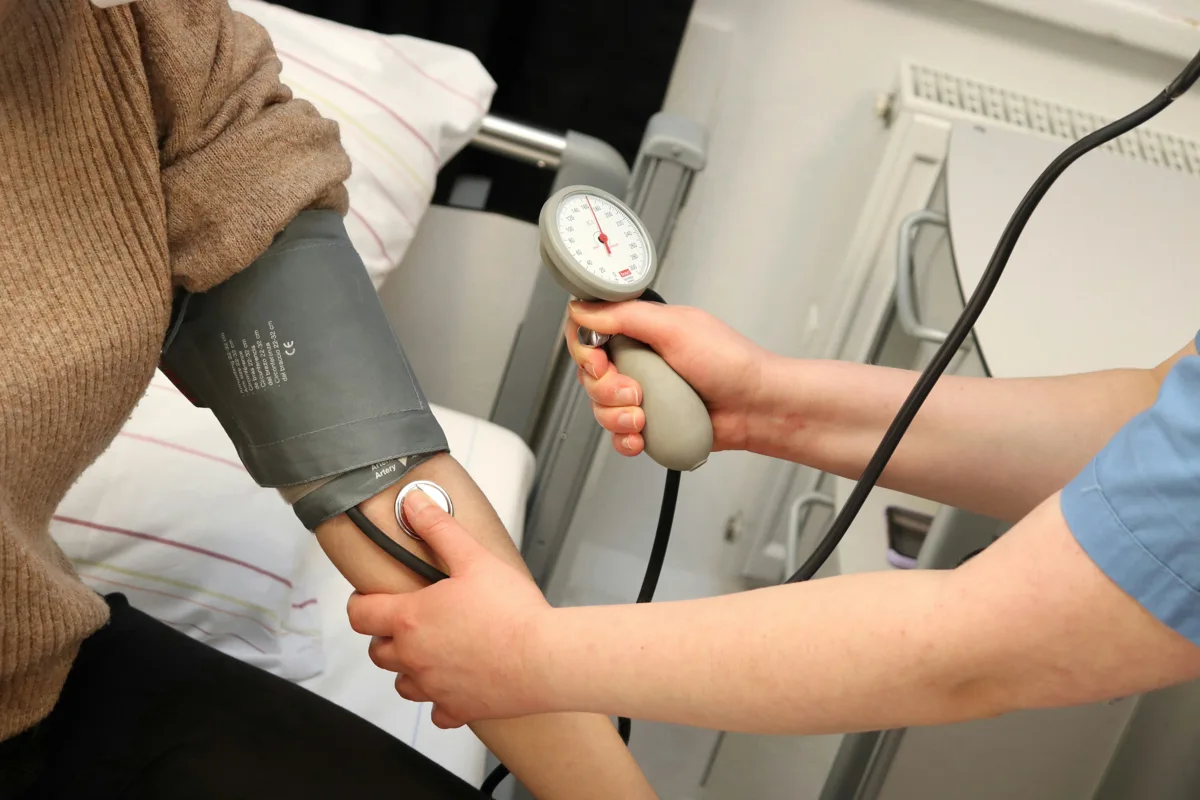
A cuff may be wrapped around your upper arm. It fills with air and squeezes your arm quite tightly for a short time. Then it loosens again.
Oxygen level
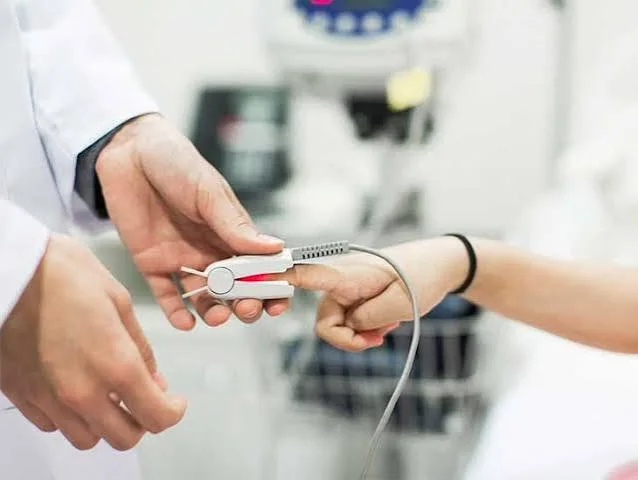
A small clip may be placed on your finger. It usually shines a red light through your finger.
Temperature
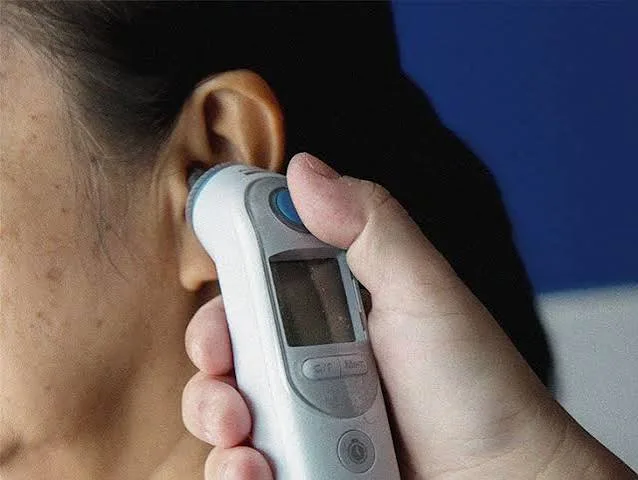
Staff may use a thermometer to check your temperature. Different hospitals use different kinds.
You can ask somebody to show you something before they use it.
9. Blood tests and cannulas
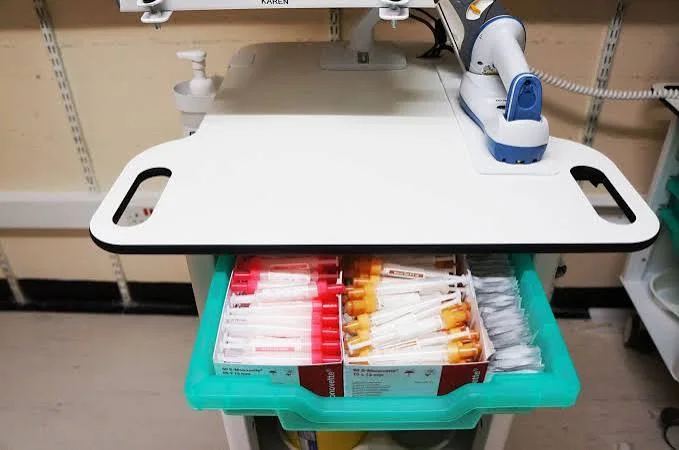
You may need a blood test.
A member of staff may put a tight band around your arm first. This is called a tourniquet.
They then use a needle to take some blood into small tubes.
The needle can hurt. People experience this differently.
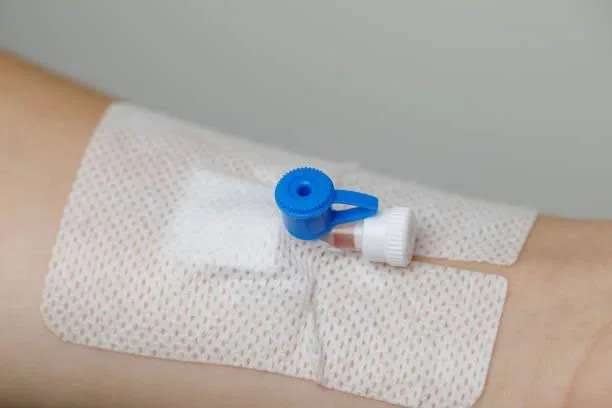
You may also have a cannula.
A cannula is a small plastic tube that stays in a vein so staff can give you medicines or fluids.
A needle is used to put the cannula in, but the needle does not stay there.
If needles, touch or medical procedures are difficult for you, tell the staff what helps.
For example: “Please tell me before you touch me.”
or
“Please tell me what you are going to do before you do it.”
You can also put this on your Things that might help me in hospital sheet.
10. The ward
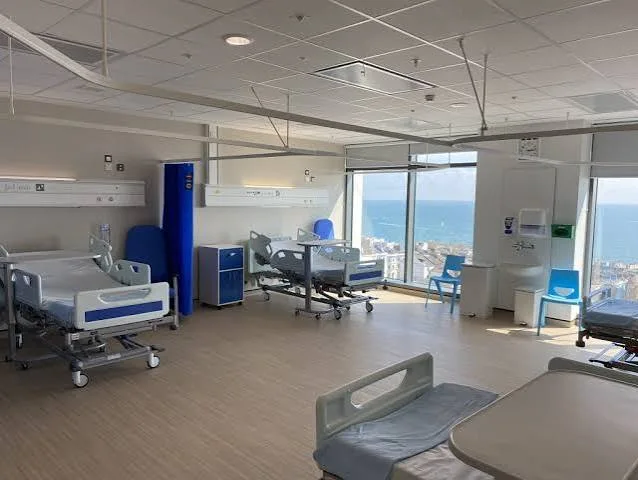
If you need to stay in hospital, you may go to a ward.
You might have a bed in a room with several other patients. This is sometimes called a bay.
There may be curtains around each bed.
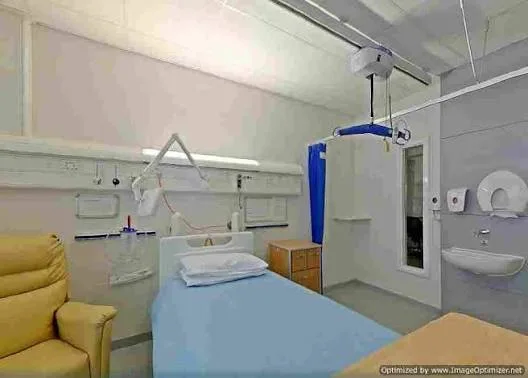
Some people stay in a room on their own.
The ward may have:
- hospital beds
- bedside tables
- chairs
- lights
- monitors and other equipment
- bins
- curtains
- staff moving around
- other patients and their visitors
There may be noise during both the day and the night.
11. The curtain around your bed
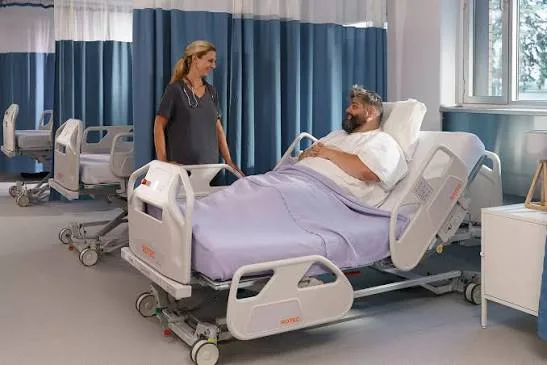
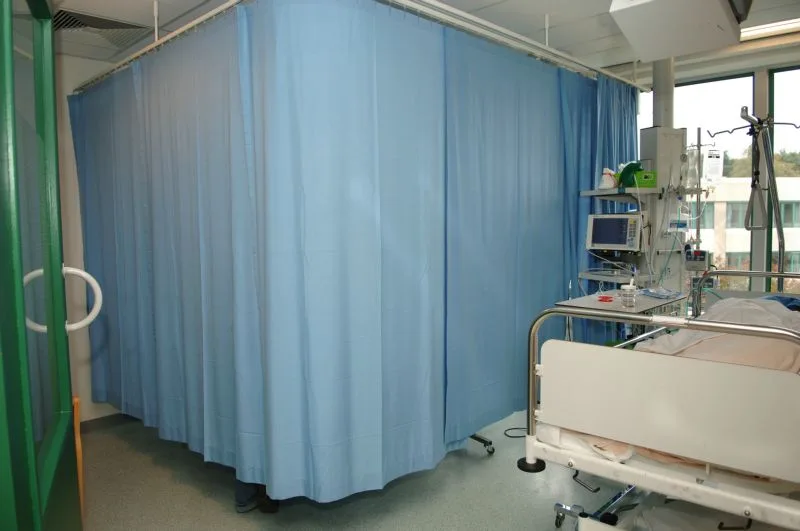
Staff may close the curtain around your bed when you need privacy.
You may not be able to see people approaching when the curtain is closed.
Sometimes a member of staff may open the curtain and come into your bed space.
If that would frighten or startle you, tell staff what you need.
For example: “Please tell me you are there before you open my curtain.”
or
“Please do not enter my bed space without letting me know first.”
This is also something you can put on your Things that might help me in hospital sheet.
12. Lights, smells and touch
Use the Things that might help me in hospital sheet to tell staff what helps you.
Hospitals can feel different from home.
Lights
Hospital lights may be bright. Some lights stay on for long periods. At night, staff may need to turn a light on near you.
Smells
You may smell:
- hand sanitiser
- cleaning products
- food
- medicines
- other hospital smells
Touch
Staff may need to touch you to examine you or care for you.
You can tell them if unexpected touch is difficult.
For example: “Please tell me before you touch me.”
If there are particular sensory things that are difficult for you, add them to your Things that might help me in hospital sheet.
13. Toilets and washing
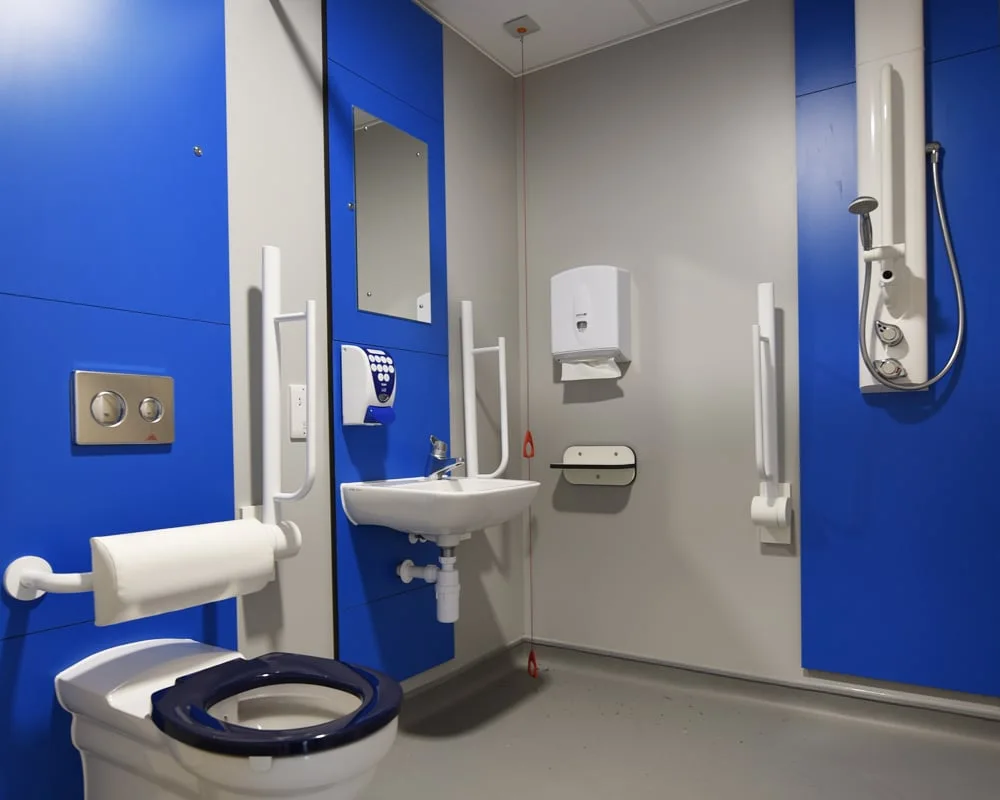
Hospital toilets may look different from the toilet you use at home.
There may be:
- grab rails
- alarm cords
- different taps or flushes
- bright lighting
Do not pull an emergency alarm cord unless you need help.
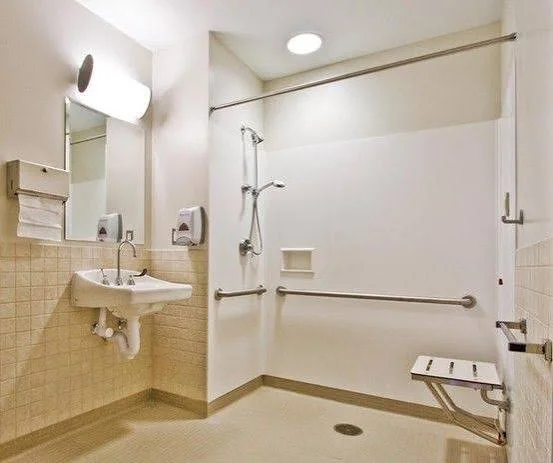
If you stay in hospital, there may also be a shared shower or washroom.
Hand dryers
Some hospital toilets have loud hand dryers.
You do not have to use a hand dryer if you do not want to.
14. Food and drink
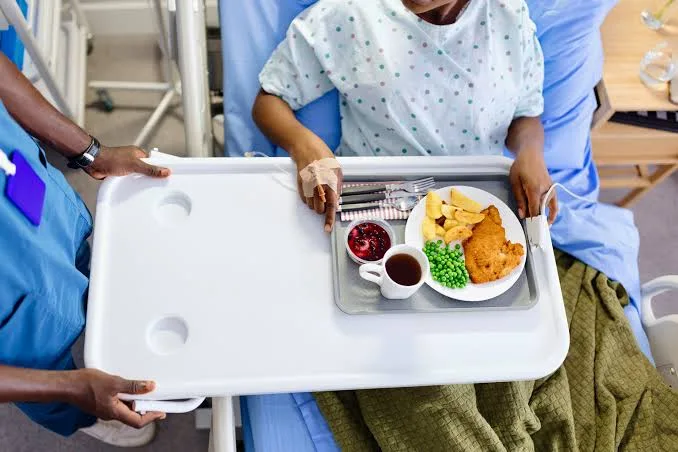
If you stay in hospital, you may be offered food and drinks.
Meals may arrive at set times.
Hospital food may look, smell or taste different from food you normally eat.
There may also be food smells from other patients’ meals.
If you have particular needs around food, drink, texture, smell or how things are presented, tell staff.
You can put important information on your health passport or your Things that might help me in hospital sheet.
15. People may interrupt you or wake you up
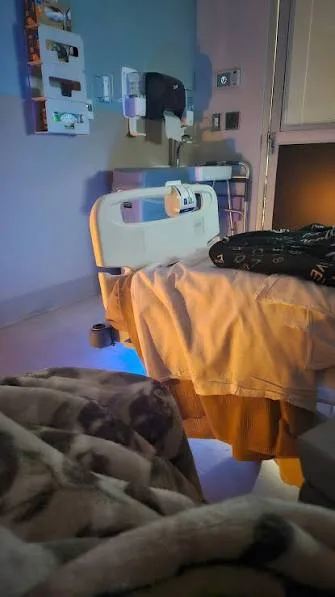
Hospitals do not become completely quiet at night.
You may hear:
- other patients
- staff talking
- doors
- trolleys
- call bells
- alarms or monitors
Staff may also wake you.
They may need to:
- check your observations
- give you medicine
- take blood
- ask you something
- care for you or another patient nearby
Sometimes somebody may arrive without much warning because they need to do something.
If you need staff to explain things before they happen, put this on your Things that might help me in hospital sheet.
16. Some things in hospital can be surprising
Even if you have been told what usually happens, things can change.
For example:
- somebody may turn a light on while you are sleeping
- a machine may suddenly beep
- a member of staff may appear at your curtain
- you may be moved to another room or ward
- a porter may arrive to take you somewhere
- staff may ask you the same question several times
- somebody may tell you that a plan has changed
- you may have to wait much longer than expected
You have not done anything wrong when this happens.
Hospital care sometimes changes because patients’ needs change.
If knowing about a change before it happens helps you, you can ask staff: “Please tell me about changes as soon as you can.”
17. If things are becoming too much
Use the Things that might help me in hospital sheet to tell staff what helps you.
Being overwhelmed in hospital does not mean you are doing hospital badly.
You can tell somebody that you are struggling.
You can say or show them something like: “I am autistic and I am becoming overwhelmed.”
or
“I need less noise.”
or
“I need some time before I can answer.”
Depending on what is possible and safe, staff may be able to make changes.
For example, you can ask about:
- somewhere quieter to wait
- reducing unnecessary noise
- reducing bright light
- having more time to process information
- having information written down
- being told before somebody touches you
- having somebody you trust help you communicate
You can also use headphones, ear defenders or another thing that helps you regulate, when it is safe to do so.
Your Things that might help me in hospital sheet can tell staff what might work for you without you having to explain it all when you are already overwhelmed.
18. Someone can help you communicate

You might want somebody you trust to help you.
This could be a family member, friend, carer or another person who knows you well.
They might help you:
- remember information
- explain what you need
- ask questions
- tell staff when you are becoming overwhelmed
- understand what staff have said
They do not have to speak instead of you.
They are there to help in the way you want them to.
19. Tell the hospital what might help
There are two useful kinds of document you can bring.
A health or hospital passport
A health or hospital passport can give hospital staff important information about you, including how you communicate and what adjustments may help.
NHS health and care passport information
National Autistic Society My Health Passport
The sick list — things that might help me in hospital
We have also made a short sheet for things staff may need to know quickly.
For example:
- please tell me before touching me
- please tell me before opening my curtain
- bright lights are difficult for me
- sudden noises are difficult for me
- I need extra time to answer questions
- this is what might help when I am overwhelmed
Print my Things that might help me in hospital sheet
Our sheet does not replace a health or hospital passport.
If you have a passport, bring that too.
20. You may go home — or you may need to stay
Sometimes staff can tell you quickly whether you will go home.
Sometimes they cannot.
You may need to wait for:
- test results
- a doctor
- treatment
- another hospital team
- a bed on a ward
Plans can change.
If you are going to stay in hospital, staff should tell you where you are going when they know.
You can ask: “Do you know what is happening next?”
or
“Please tell me when the plan changes.”
21. Leaving hospital
When it is time to leave hospital, staff may give you:
- medicines
- paperwork
- instructions about what happens next
- information about another appointment
You can ask for information to be written down if that helps you.
Make sure you have your important belongings with you.
You may then go home or to wherever you are being discharged to.
Your hospital visit is finished.